

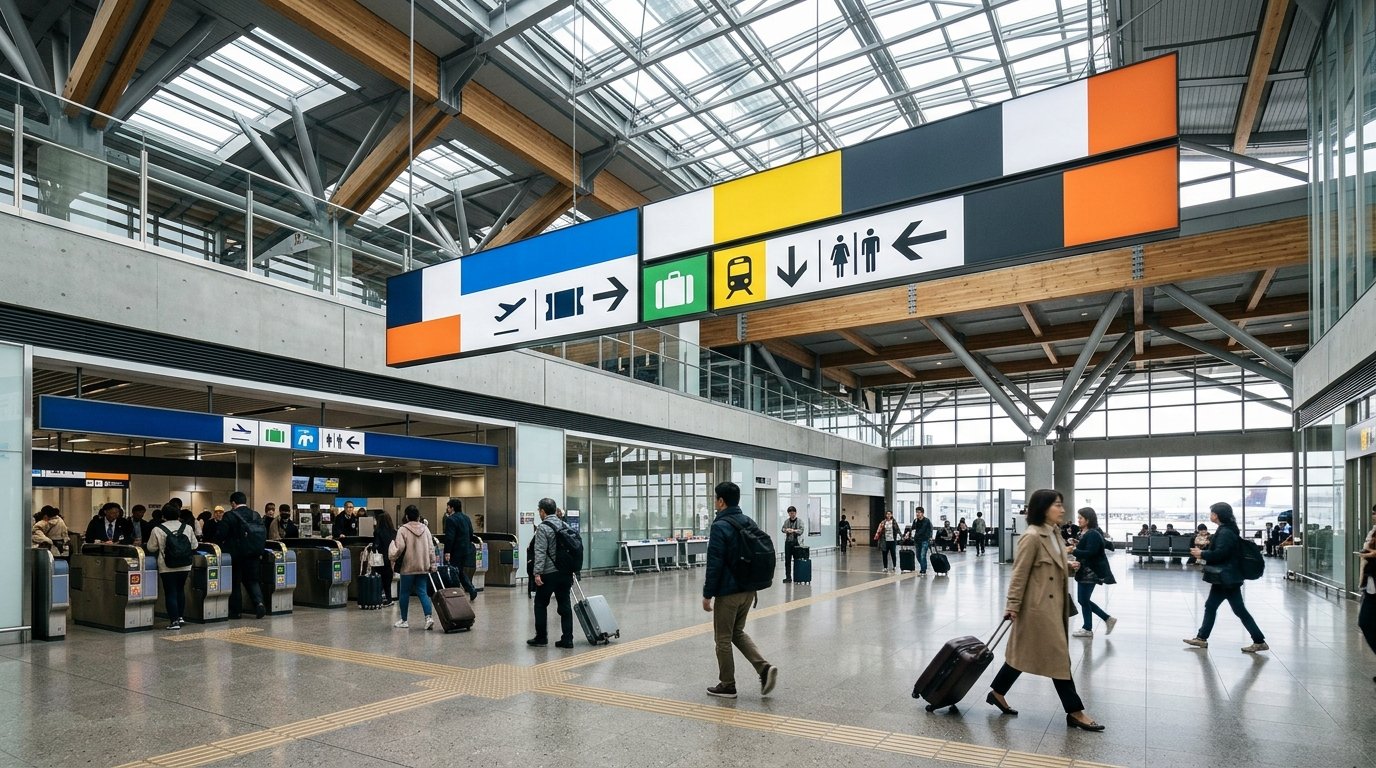
1. Confirming Your Arrival Airport and Terminal Layout
Tokyo is served by both Narita (NRT) in Chiba and Haneda (HND) near central Tokyo, while Osaka is served primarily by Kansai International Airport (KIX). Check your flight itinerary for the exact airport code and terminal number, as rail stations and shuttle stops differ between terminals.
2. Sequential Steps: Immigration, Baggage Claim, and Customs Clearance
After exiting the aircraft, follow multilingual arrival signs to immigration control. Present your passport and Visit Japan Web QR code (or paper entry card) for fingerprinting and photo capture. Retrieve checked luggage from designated carousels before passing through electronic or manned customs check gates.
3. Navigating Terminal Transfers and Domestic Flight Connections
Connecting to domestic flights in Japan requires clearing international immigration and customs first, claiming all checked baggage, and re-checking bags at the domestic departures area. Terminal transfer shuttle buses operate frequently between terminals at Narita, Haneda, and Kansai airports.
4. Choosing Ground Transport: Express Rail, Highway Buses, and Late-Night Alternatives
Major airports offer express trains (e.g., Narita Express, Keisei Skyliner, Tokyo Monorail, Keikyu Line, Haruka Express), highway limousine buses, and taxi stands. Travelers landing late at night should check last train timetables; if arriving past midnight, pre-booked airport hotel stays or late-night limousine buses are recommended.
5. Utilizing Airport Luggage Delivery Services and Coin Lockers
Airport luggage delivery services (Takkyubin counters such as Yamato Transport, JAL ABC, Sagawa) can forward heavy suitcases directly to hotels or residences nationwide, typically delivering next day. Coin lockers and temporary baggage storage counters are also situated in arrival halls.
6. Setting Up Currency Exchange, IC Cards, and Mobile Connectivity
Arrival lobbies feature international ATMs, currency exchange counters, mobile SIM/eSIM vending spots, and Wi-Fi rental counters. Obtaining a small amount of Japanese Yen cash and picking up physical or digital IC cards (Suica, Pasmo, Icoca) ensures smooth boarding for initial transport.
7. Accessing Family Services, Mobility Assistance, and Information Desks
Japanese airports provide extensive accessibility features including step-free elevator access, tactile paving, wheelchair loan services, nursing rooms, and accessible restrooms. Airport information desks staffed by multilingual concierges are available in every arrival terminal.
8. Verifying Real-Time Flight and Facility Updates Before Travel
Weather events or operational schedule changes can impact airport transport options. Travelers should check official airport portals and transport operator alerts on the day of travel to verify active train lines, bus stop numbers, and facility operating hours.
EDITORIAL NOTE & DRAFT STATUS
This information is reviewed periodically. If service or product links are added in the future, they will be published only after availability and editorial checks.